



EDUCATION & CAREER

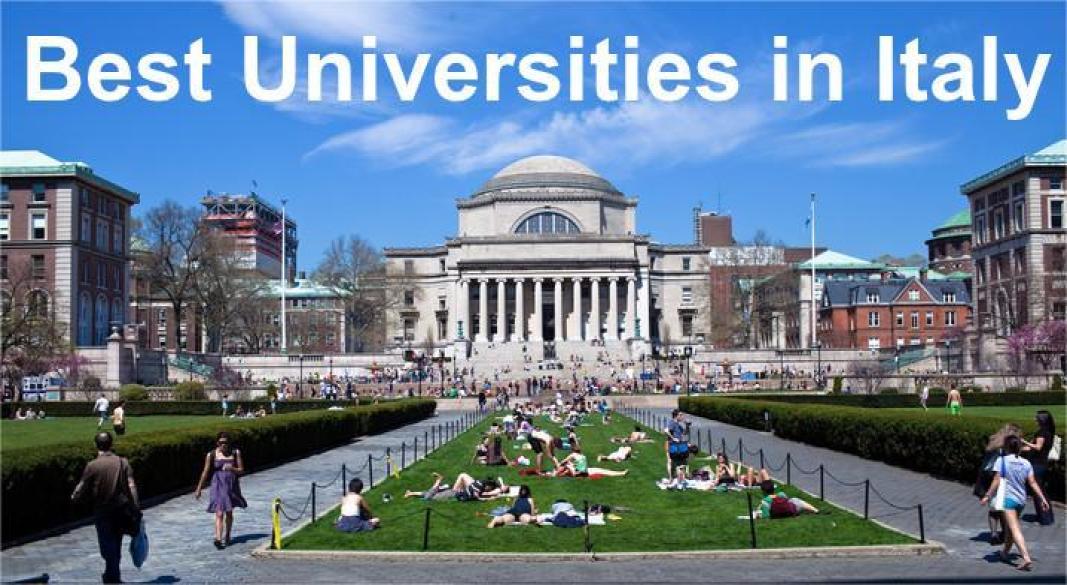
"Explore the best universities in Italy for global education"

"Top Italian Universities: A Gateway to World-Class Education"

nishat September 13, 2025 0
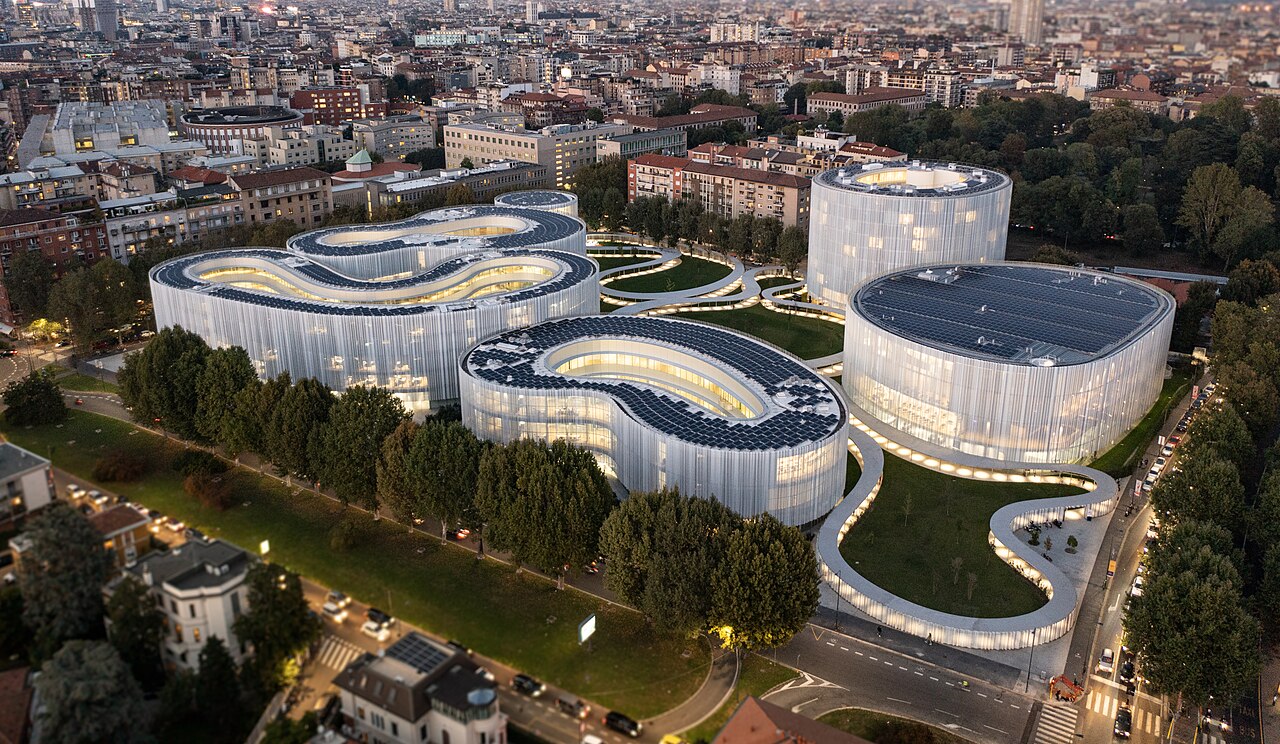
"Top Italian Universities - University of Pisa and Bocconi University"
"Best Universities in Italy"

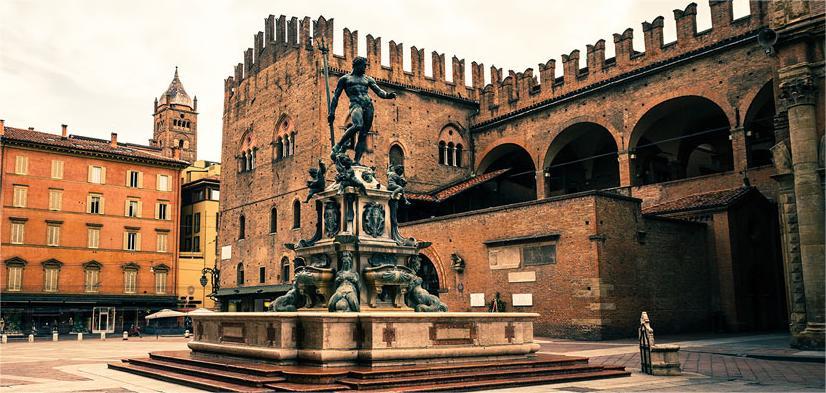
1. University of Bologna (Università di Bologna)

  • Founded: 1088

  • Location: Bologna, Italy

  • Type: Public University

  • Overview:
    The University of Bologna is the oldest university in the world and a symbol of academic excellence. It offers a wide range of undergraduate, graduate, and doctoral programs in diverse fields like law, economics, humanities, and sciences. The university is known for its strong emphasis on research and has contributed significantly to the development of academic disciplines. Notably, it has a long tradition in the study of law and is one of the most respected institutions in Europe. Its international partnerships with various universities ensure global exposure for its students.

  • Highlights:

    • One of the top 200 universities globally.

    • Strong focus on research, particularly in the humanities and social sciences.

    • Offers numerous international student exchange programs.

    • Known for its rich history, with alumni such as the poet Petrarch and philosopher Guglielmo Marconi.


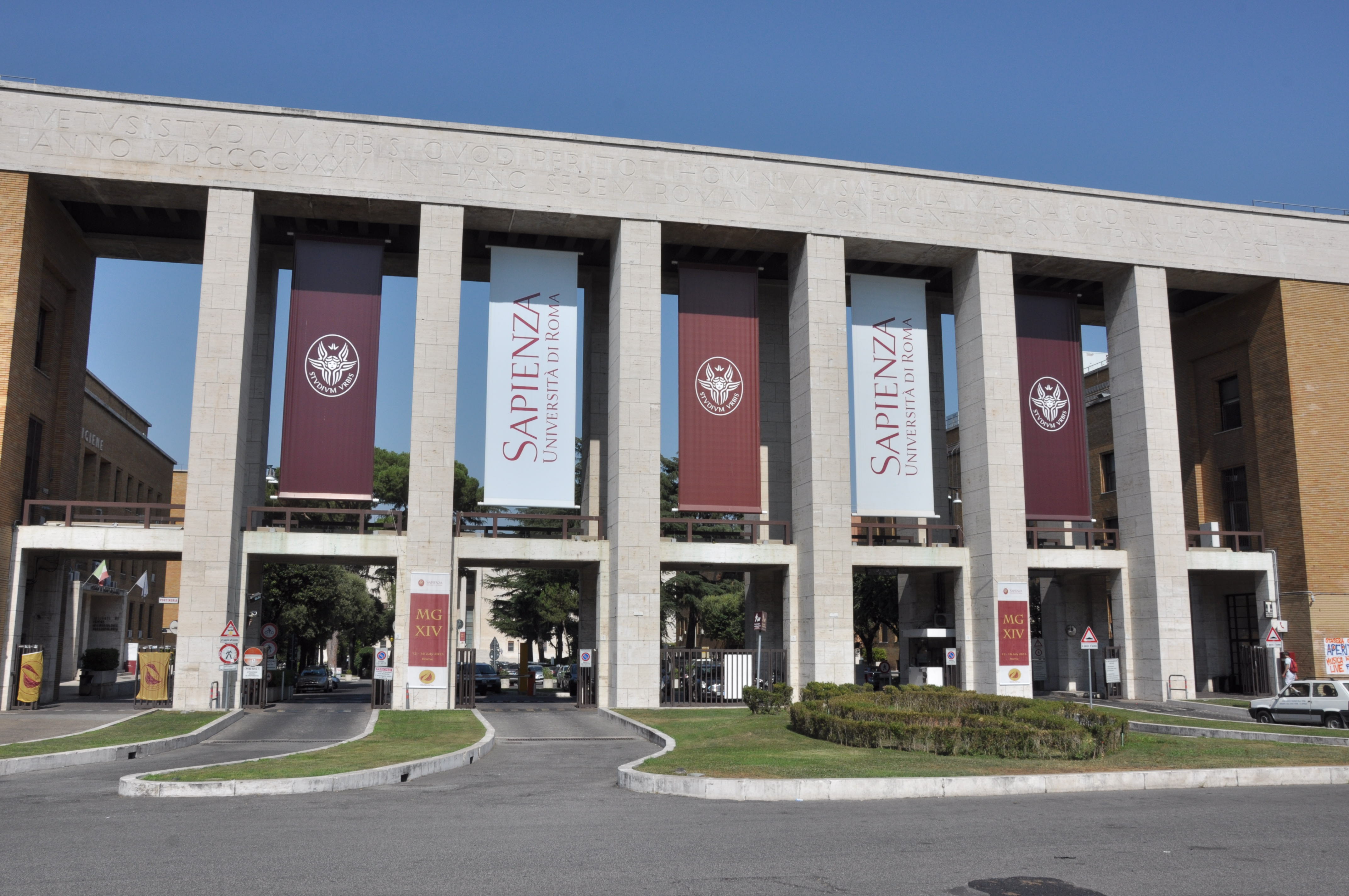
2. Sapienza University of Rome (Sapienza Università di Roma)

  • Founded: 130

  • Location: Rome, Italy

  • Type: Public University

  • Overview:
    Sapienza University is one of the largest and most prestigious universities in Europe. With over 100,000 students, it offers a vast array of academic disciplines, including engineering, medicine, humanities, and social sciences. Sapienza has a reputation for excellence in research and is home to numerous research centers and institutes. It is known for its innovative approach to education, combining traditional methods with cutting-edge technology.

  • Highlights:

    • Ranked among the top 100 universities in the world for engineering, medicine, and social sciences.

    • Large network of international collaborations, particularly with universities in the United States and Europe.

    • Sapienza's campus includes historical buildings and modern research facilities, making it a unique mix of tradition and innovation.

    • Offers a wide range of scholarships for international students.


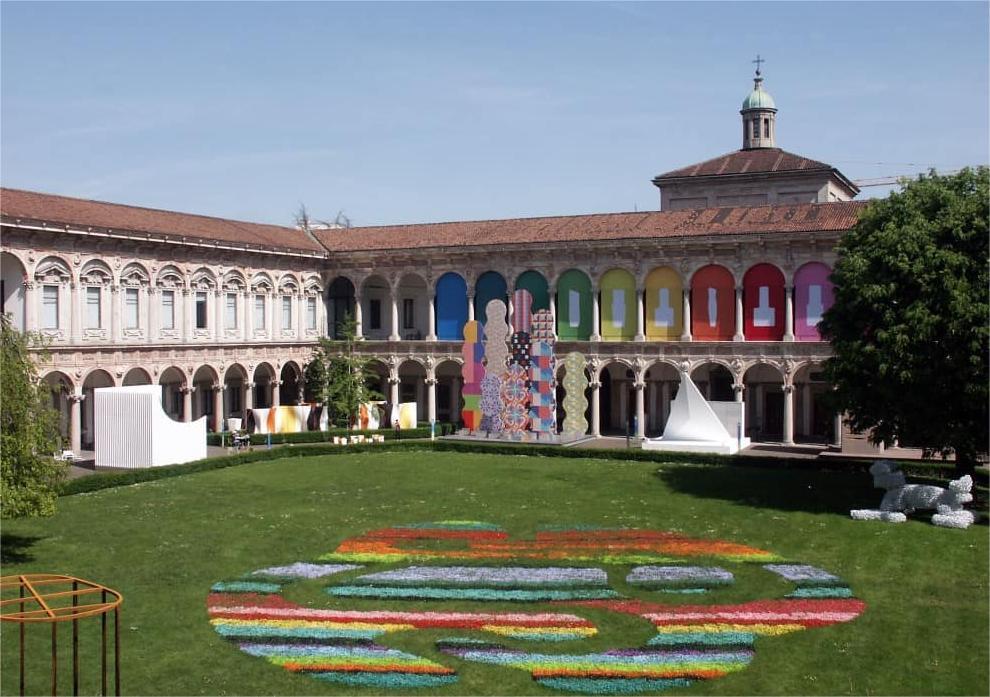
3. University of Milan (Università degli Studi di Milano)

  • Founded: 1924

  • Location: Milan, Italy

  • Type: Public University

  • Overview:
    The University of Milan is one of Italy’s leading public research universities, known for its highly regarded programs in law, economics, medicine, and natural sciences. It has a strong research focus, with state-of-the-art laboratories and research centers in various fields. It ranks highly in Europe for its medical and legal studies, and it is also known for offering innovative programs in digital sciences, data analysis, and technology. The university has numerous partnerships with global institutions, making it an attractive choice for international students.

  • Highlights:

    • Well-known for its medical school and research in life sciences.

    • Home to over 50,000 students and 10,000+ faculty members.

    • Strong industry connections, especially in the fields of fashion, business, and technology, thanks to its location in Milan.

    • Offers numerous master’s and doctoral programs in English, catering to international students.


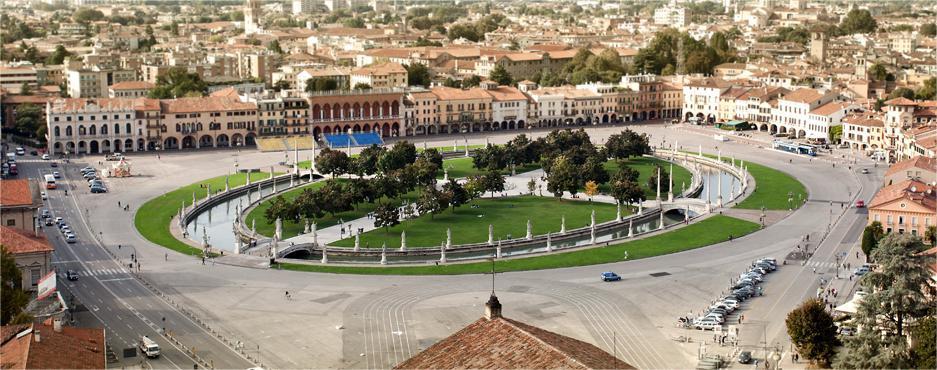
4. University of Padua (Università degli Studi di Padova)

  • Founded: 1222

  • Location: Padua, Italy

  • Type: Public University

  • Overview:
    The University of Padua is one of the oldest universities in the world, known for its contributions to science and philosophy. It has been the birthplace of many revolutionary ideas and is particularly famous for its contributions to physics and medicine. The university offers a wide range of disciplines, including humanities, law, and engineering, and is home to many international research programs. It boasts a prestigious faculty and has a vibrant student community.

  • Highlights:

    • Alumni include the famous astronomer Galileo Galilei.

    • Strong emphasis on research and innovation in various scientific fields, including medicine, physics, and agriculture.

    • Offers a wide array of interdisciplinary programs.

    • Famous for its historical Botanical Garden, a UNESCO World Heritage site.

    • Frequently ranked among the top 200 universities globally.


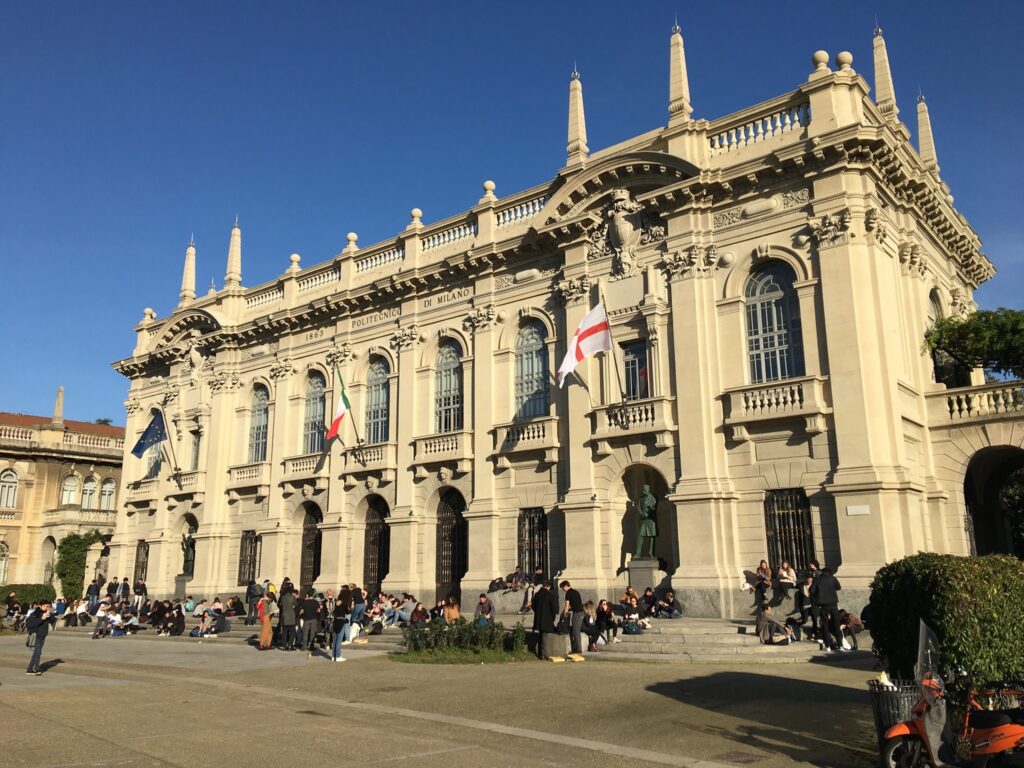
5. Politecnico di Milano

  • Founded: 1863

  • Location: Milan, Italy

  • Type: Public University

  • Overview:
    Politecnico di Milano is the leading institution in Italy for engineering, architecture, and industrial design. It is internationally recognized for its technical education, particularly in the fields of engineering, architecture, and urban planning. The university has a reputation for its high-quality teaching and research and maintains close relationships with industry leaders and companies. Its graduates are highly sought after, particularly in the fields of engineering and design.

  • Highlights:

    • Ranked among the top 20 universities in the world for architecture and design.

    • Known for its engineering programs, including civil, mechanical, and electrical engineering.

    • Offers various international exchange programs and double-degree options.

    • Frequently collaborates with major companies and industries in Italy and globall   

    • Emphasizes hands-on learning through projects and internships.


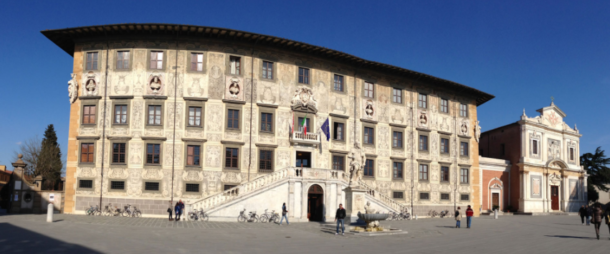
6. University of Pisa (Università di Pisa)

  • Founded: 1343

  • Location: Pisa, Italy

  • Type: Public University

  • Overview:
    The University of Pisa is famous not only for its rich history but also for its contributions to science and mathematics. Home to the iconic Leaning Tower of Pisa, the university is recognized globally for its research in engineering, computer science, and physics. It also offers robust programs in social sciences, economics, and humanities. Its international network includes collaborations with top universities in the US, Europe, and Asia.

  • Highlights:

    • Known for its historical significance and its contribution to the sciences.

    • The birthplace of Galileo Galilei, one of the most influential scientists in history.

    • Strong programs in engineering, physics, and computer science.

    • The university’s focus on interdisciplinary studies encourages innovation across different fields.

    • Offers numerous scholarships for international students, including those for research.


  7. Bocconi University

  • Founded: 1902

  • Location: Milan, Italy

  • Type: Private University

  • Overview:
    Bocconi University is one of Europe’s leading institutions for economics, business, and finance education. It offers a wide range of undergraduate, master’s, and MBA programs. The university is particularly renowned for its business and finance programs, which are ranked among the best in Europe. Bocconi also offers strong programs in political science, economics, and law. It has a global presence with many international partnerships and a diverse student body.

  • Highlights:

    • One of the top business schools globally, ranked in the top 10 for finance and business administration.

    • Offers internationally recognized programs in business, economics, and law.

    • Located in Milan, a hub for business and finance, providing students with numerous internship and job opportunities.

    • Strong international network with over 100 partner universities around the world.

    • Highly regarded for its MBA and Master’s in Management programs.


Tags

Italian-Universities Study-Abroad Education University-Rankings
Popular post
Global Politics Update: Power Shifts, Conflicts & Democracy Under

Political landscapes around the world are in flux. New conflicts are emerging, democratic institutions are being tested, and global power dynamics are shifting rapidly. Here are some of the most significant political developments:   1.Gaza Conflict Escalation — Israel has launched a ground offensive in Gaza City, urging residents to evacuate amid intense hostilities. The humanitarian situation is worsening, with thousands displaced   2.Global Decline in Press Freedom — A report by the International IDEA finds that press freedom has seen a sharper fall in recent years than at any point in the last 50 years. Countries including Afghanistan, Myanmar and South Korea are among those with severe declines.       3.EU Sanctions & Regional Tensions — European leaders are calling for sanctions against Israel following airstrikes across the region, including Yemen. These acts have stirred diplomatic controversies and raised questions about regional stability     4.U.S. Domestic Politics & Polarization — In the U.S., political divisions remain deep. Controversies over civil rights, immigration, and institutional trust continue to fuel heated public debates. Observers worry this polarizing atmosphere may undermine democratic norms and governance effectiveness.       These events underscore a common theme: in many parts of the world, democracy, human rights, and freedom of expression are under pressure. Power is shifting — sometimes abruptly — and the world is watching closely to see how governments, international bodies, and citizens will respond.  

Unlocking Opportunities: A Comprehensive Guide to Studying in Hungary – Tuition Fees & Facilities for International Students

Study in Hungary: Details on Tuition, Facilities & Student Life (2025) Hungary has become a popular destination for international students seeking quality higher education at relatively affordable costs. With reputable universities, many English-taught programs, extensive facilities, and a central European location, it presents strong value. In this article, we explore what you need to know about tuition fees, student facilities, and living costs when studying in Hungary in 2025.   1. Tuition Fees: What You Should Expect Tuition fees in Hungary vary widely depending on several factors: Program type (Bachelor’s, Master’s, PhD) University (public vs. private) Subject area (medicine, engineering, arts etc.) Whether you are an EU vs non‑EU student   Here are some sample ranges: Level / Field Public Universities Private / Specialized Institutions / Medicine & Dentistry Bachelor’s (most programs) ≈ €1,500 – €6,000/year Study.eu+3Qogent Global+3Aspiredia+3 up to €8,000/year or more in private universities or competitive programs Study.eu+2Qogent Global+2 Master’s ≈ €2,000 – €8,000/year in public or mid‑range universities Aspiredia+2Qogent Global+2 higher for specialized, private or medical/dental fields, sometimes going over €12,000–€16,000/year a2z Edu Care+2Study.eu+2 Medicine / Dentistry / Veterinary Typically among the highest; €8,000 – €20,000+/year depending on the institution and language of instruction Qogent Global+2Media Top Study World+2     Some examples of specific universities: University of Pécs: Bachelor’s tuition around €5,500‑7,000, master’s around €6,000‑8,000. Career O'clock University of Debrecen: Comparable ranges depending on subject. Career O'clock Eötvös Loránd University (ELTE): More moderate fees in many programs, especially non‑medical. HunEducation+2Study.eu+2 Also keep in mind administrative fees: application fees (sometimes €150‑200), registration fees, occasionally deposits for housing etc. apply.budapestcollege.hu+1   2. Living Costs & Accommodation Tuition is only part of the picture. Your total cost will include accommodation, food, transport, health insurance, books, and other living expenses. These differ significantly between cities (Budapest tends to be most expensive) and depending on your lifestyle.   Here’s a breakdown: Accommodation: University‑dormitories often cost €150‑€300/month, sometimes more depending on amenities. Scholars Avenue+2HunEducation+2 Shared apartments or rooms in furnished flats: €200‑€500/month depending on city and location. rpeducation.net+2Scholars Avenue+2 Private studio or one‑bedroom flats: can go higher in cost, especially in Budapest. HunEducation+2Aspiredia+2 Food, Transport, Miscellaneous: Groceries: €100‑€250/month depending on how often you cook vs eat out. rpeducation.net+1 Public transport: €10‑€30/month for student passes in many cities. Scholars Avenue+1 Utilities & Internet: €50‑€120/month depending on housing type and location. Scholars Avenue Health insurance: mandatory for non‑EU students; cost varies but can be €50‑€100/year or per month depending on coverage. rpeducation.net+1 Total Living Costs per Year: In smaller university cities (e.g. Debrecen, Szeged, Pécs): €5,000‑€9,000/year including accommodation, food, transport etc. HunEducation+1 In Budapest: higher; could be €8,000‑€12,000/year depending on lifestyle. Qogent Global+1   3. Facilities & Academic Environment One reason Hungary is attractive is the quality of facilities and student‐friendly infrastructure. Here are some of amenities and support systems you can expect: Modern Campuses: Many universities have up‑to‑date lecture halls, labs, libraries, research centres, especially in disciplines like engineering, science, medicine. Dormitories & Student Housing: On‑campus dormitories are common; some have shared rooms, basic furnishing, common areas. Private student residences also increasingly available with amenities like WiFi, laundry, communal kitchens. Hungary News In English+2mknccglobal.ac.uk+2 International Student Services: Offices to assist with visa, language support, counselling, orientation programmes. Many universities offer English‑taught courses. Research Opportunities: PhD and master’s students often have opportunities for participating in research projects. Hungarian universities are involved in EU research funding and international cooperation. Transport & City Life: Good public transport in most cities, with student discounts. Cultural life, museums, cafes, festivals available. Budapest especially rich in arts and history. Health & Support Services: Health insurance schemes, clinics on campus or associated, student counselling, possibly mental health services.   4. Scholarships & Financial Aid To help with the cost, there are several scholarship and financial aid options: Stipendium Hungaricum: A popular government scholarship programme for international students which may cover tuition, accommodation, living costs. University‑level scholarships: Merit‑based, need‑based, or subject‑based scholarships. Some universities offer fee reductions, installment payments, or deferred payment in special cases. Always check specific university websites for deadlines, eligibility, and whether scholarships cover just tuition, or also accommodation, travel, etc.   5. Tips for Budgeting & Planning Choose city wisely: Cities outside Budapest tend to be cheaper. If your program is offered in Szeged, Debrecen or Pécs, life will be less expensive. Start early for housing: Dorm rooms fill quickly. Private residences often more expensive. Plan for non‑tuition costs: visa, insurance, books, materials, travel, leisure etc. Language matters: English‑taught programmes are common, but some courses or requirements still expect knowledge of Hungarian; also day‑to‑day life sometimes easier with some Hungarian. Check payment schedules: Whether tuition must be paid annually or per semester; whether you need to pay upfront before visa etc.   Conclusion Studying in Hungary offers a strong value proposition: reasonable tuition (particularly in public institutions), good facilities, and a European environment without the extremely high costs seen in Western Europe or North America. However, as with any international study plan, costs can add up depending on choice of program, city, housing, and lifestyle. If you are considering Hungary, evaluate the exact university and program, factor in all living costs, explore scholarship options seriously, and budget carefully. For many students, Hungary can hit the sweet spot of quality + affordability + enriching student experience.

Study in Germany Without IELTS: A Complete Guide for International Students

Germany has become one of the most popular destinations for international students because of its world-class education system, tuition-free public universities, and excellent career opportunities. Many students, however, worry about English language requirements such as the IELTS exam. The good news is that it is possible to study in Germany without IELTS, as several universities and programs offer alternative options for proving language proficiency.   Why Germany? Germany is known for its high-quality education, research facilities, and affordable tuition. Most public universities in Germany charge little to no tuition fees, making it a top choice for students around the world. Additionally, the cost of living is relatively lower compared to other European countries, and students are allowed to work part-time while studying.   How Can You Study Without IELTS?   Many German universities are flexible with their English-language requirements. If you can demonstrate that you can study in English through other evidence, you may not need an IELTS score. Here are the main pathways: 1. Medium of Instruction (MOI) Certificate If you previously completed a degree or at least two consecutive years of education in English, you can request an official MOI certificate from your school, college, or university. This document states that English was the primary language of instruction for your coursework. Many German institutions accept this as proof of proficiency, especially for master’s programs.   2. Alternative English Tests German universities often accept a variety of other standardized tests. Examples include:   TOEFL iBT (Internet-based Test) – widely recognized around the world. PTE Academic – computer-based and quick to schedule. Duolingo English Test – convenient online option with fast results. Cambridge English Qualifications – such as C1 Advanced (CAE) or C2 Proficiency. These tests might have different minimum scores than IELTS, so always check the specific requirement of each university and course.   3. University or Department Interviews Some institutions conduct an online or in-person interview to gauge your speaking and comprehension skills. If you can hold a conversation and answer academic questions confidently, the university may waive the IELTS requirement.   4. Country-Based Exemptions Applicants from countries where English is the official or native language—such as the United States, Canada, the United Kingdom, Ireland, Australia, and New Zealand—are often exempt. Some universities also extend this to applicants from regions where English is the recognized medium of higher education.   Top Universities in Germany That Accept Students Without IELTS   Below are some respected universities known to consider applications without IELTS if other criteria are met:   University of Siegen – Public university offering multiple master’s programs in English. Students can use an MOI certificate or other recognized tests instead of IELTS. Technical University of Kaiserslautern (RPTU Kaiserslautern-Landau) – Renowned for engineering and natural sciences. Many English-taught postgraduate programs accept alternative proofs. Justus Liebig University Giessen – Known for life sciences and social sciences. Accepts medium of instruction certificates and other English exams. University of Kiel (Christian-Albrechts-Universität zu Kiel) – Offers postgraduate programs that may waive IELTS if prior education was in English. Free University of Berlin – Prestigious research university with several English-taught master’s degrees. MOI certificates and department interviews can substitute for IELTS. RWTH Aachen University (selected programs) – In certain technical fields, alternative tests or an MOI certificate may be sufficient. University of Freiburg (specific courses) – Some international master’s programs allow exemptions when other English-language evidence is strong.   Always verify with the admissions office of your chosen program, as policies differ between faculties and change over time.   Popular Courses to Study in Germany Without IELTS   Germany offers a vast selection of English-taught programs across disciplines. Particularly strong areas include:   Engineering: Mechanical, Electrical, Civil, Automotive, and Environmental Engineering are world-renowned. Computer Science & IT: Artificial Intelligence, Data Science, Cybersecurity, and Software Engineering are in high demand. Business Administration & Management: International Business, Finance, and Economics programs attract global students. Natural Sciences: Physics, Chemistry, Biology, and Environmental Sciences benefit from Germany’s strong research infrastructure. Social Sciences & Humanities: International Relations, Political Science, and Cultural Studies provide diverse perspectives. Health and Life Sciences: Biotechnology, Public Health, and Medical Engineering are growing fields.   Benefits of Studying Without IELTS in Germany   Choosing a program that doesn’t require IELTS offers several advantages:   1. Time and Cost Savings – Preparing for IELTS can be expensive and time-consuming. Skipping it frees resources for other parts of your application. 2. Flexible Entry Options – You can focus on your academic qualifications and professional achievements instead of standardized test scores. 3. Tuition-Free or Low-Cost Education – Many public universities charge little or no tuition fees for international students, keeping overall expenses manageable. 4. English-Taught Degrees – Hundreds of bachelor’s and master’s programs are offered entirely in English, allowing you to start immediately while you learn German gradually. 5. Work Opportunities – As a student, you can work part-time (up to 20 hours per week) and gain valuable professional experience. 6. High Employability – Germany’s strong economy and demand for skilled professionals make it easier to find work after graduation, whether you stay in Germany or move elsewhere in Europe. 7. Cultural and Language Growth – Living in Germany gives you the chance to pick up German naturally, which can boost your career prospects and personal development.    8. Final Thoughts Studying in Germany without IELTS is definitely possible if you prepare the right documents and choose universities with flexible requirements. International students should check each university’s admission guidelines carefully and make sure they meet all other academic requirements. With tuition-free education, a strong job market, and numerous opportunities, Germany remains one of the best destinations for higher education.

Portugal’s Health Care System: Universal, Evolving, & Facing New Challenges

Introduction Portugal’s medical and health care system is a mix of universal access, public services, private options and historic subsystems tailored to specific professions. Over the years, the country has made considerable strides in improving health outcomes, expanding primary care, and reducing financial barriers, while also facing challenges like waiting times, uneven access, and demographic pressures. This article unpacks how the system is structured, how it serves people (citizens, residents, and visitors), what its strengths are, what gaps remain, and what recent reforms are shaping its future.   Structure & Governance National Health Service (SNS) At the heart of Portugal’s health care is the Serviço Nacional de Saúde (SNS), the National Health Service. It is a predominantly tax‑funded public system that provides universal coverage to all Portuguese citizens and legal residents. The SNS covers a wide range of services: from primary care, maternal and child health, emergency services, specialist hospital care, diagnosis and treatment, public health functions such as prevention, surveillance, rehabilitation. Wikipedia+3OBS+3Expatica+3 The Ministry of Health manages it, with regulatory oversight via independent bodies. There are five regional health administrations which are responsible for delivering services, implementing national policy, adapting to local needs, and supervising hospitals and health centers. In the autonomous regions (Azores and Madeira), there are specific health authorities. Expatica+2OBS+2   Subsystems & Private Care Alongside SNS, there are health subsystems (often tied to particular professions, e.g. public employees) which offer supplementary or alternative insurance and health benefits. One example is ADSE (for public sector workers), with faster access, sometimes better terms for private services, and partial or full coverage of services that might otherwise require co‑payments in SNS. OBS+3C1 BROKER PORTUGAL+3Wikipedia+3 Private health care and voluntary private health insurance also play a role: individuals or families that prefer shorter waiting times, more comfort, or access to private specialists often use private clinics or hospitals. Many private providers also contract with the SNS for certain services. Wikipedia+2OBS+2   Access, Coverage & Costs Who Is Covered All Portuguese citizens and legal residents are eligible for SNS. Expats who have legal resident status can also access services. OBS+3Expat.com+3Expatica+3 Residents of EU / EEA countries (or Switzerland) with a European Health Insurance Card (EHIC) can access some public health services when visiting, under certain conditions. Portugal.com+1 Emergency services are broadly available; maternity care, childbirth, child‑health, primary care are covered under SNS for eligible persons. Expatica+2OBS+2   What Is (and Isn’t) Free / Co‑payments Portugal has been gradually reducing many user fees (“charges”) in recent years. As of 2022, many non‑emergency services under SNS do not require user fees; but some co‑payments remain, particularly for medications (prescription drugs), diagnostic exams, specialist referrals in some cases. OBS+2Expatica+2 Children, older people (over certain ages), low‑income individuals often enjoy waivers or reduced costs. Some emergency care without a recommendation may still incur a fee. Expatica+1   Primary Care & Referrals Primary health care (general practitioners, local health centers known as centros de saúde) is the first point of contact for most people. These centers provide general medical consultations, preventive services, vaccinations, maternity & child health, community health services. If needed, GPs refer patients to specialists or hospital services. OBS+2C1 BROKER PORTUGAL+2 Waiting times can be an issue—specialist consultation waits may be long in public sector. Some diagnostics may be delayed. The private sector is faster, but at higher cost. Statista+1   Spending & Financing The health system is mainly funded through taxation and public funds. The SNS receives budget from the State. OBS+2OBS+2 Out‑of‑pocket (OOP) spending still accounts for a significant portion (around 25‑30% depending on measure) especially for co‑payments, pharmaceuticals, private services. OBS+2OBS+2 Voluntary health insurance (private) and subsystems contribute. C1 BROKER PORTUGAL+2OBS+2   Strengths & Achievements Portugal has many strengths in its healthcare system. Universal Coverage: The SNS ensures that practically all legal residents get access. There are efforts to reduce financial barriers further. OBS+2Expatica+2 Preventive & Public Health Focus: High rates of vaccination; broad programs in maternal and child health; screening programs. Expatica+2OBS+2 Life Expectancy & Health Outcomes: Portugal has seen improvement in longevity; infant and child mortality have declined and health indicators are strong among OECD/EU comparators. Wikipedia+2Portugal.com+2 Decentralization & Primary Care Reform: The expansion of primary health units, family health units, and reforms to make primary care more integrated with community health. This helps reduce strain on hospitals and ensures more local, accessible care. OBS+2OBS+2   Challenges & Weaknesses Even with strengths, there are several challenges Portugal faces in health care: Waiting Times & Access to Specialists: Many patients must wait long for specialist consultations or elective procedures in the public sector. Access is uneven depending on region. Statista+1 GP Availability: A portion of the population lacks a fixed general practitioner, which undermines continuity of care. Statista Financial Pressures: Maintaining universal care while controlling costs is difficult. Public funding is stretched. Out‑of‑pocket spending remains significant despite reforms. OBS+2OBS+2 Regional Disparities: Remote areas, islands (Azores, Madeira), and rural zones may experience less access, fewer doctors, longer travel distances. Expatica+1 Aging Population & Chronic Diseases: As with many European societies, Portugal has a rising share of older people and more chronic conditions, putting pressure on long‑term care, rehabilitation, elder care, etc. Statista+1   Recent Reforms & Trends Portugal has introduced or is in the process of implementing several reforms and trends aimed at improving efficiency, accessibility, and quality. Abolition of many user fees or moderation fees for non‑emergency and outpatient services to reduce financial barriers. OBS+2Expatica+2 Strengthening of primary care: increasing number of health centers, family health units, better integration among primary care, public health, community services. OBS+1 Digital health: adoption of electronic health records, telemedicine, better scheduling systems to reduce waiting times and reach remote populations. metropoliticking.net+1 Regulatory change: new statutes to coordinate SNS more centrally, strengthen oversight, improve protocols, standardize care. OBS   What Expats & Residents Should Know If you live in Portugal or plan to, here are some practical tips and things to be aware of: Register with a Health Center (Centro de Saúde): To access the SNS properly (family doctor, referrals, etc.), you need to register locally, get your “Número de Utente” (health user number). Portugal.com+2Expat.com+2 Understand Coverage & Fees: While many services are free or heavily subsidized, some diagnostics, medications, specialist or private care may cost. For certain services, co‑payments (“taxas moderadoras”) still apply unless you qualify for exemption. OBS+1 Emergency Services: If you require urgent care, you can use the SNS services. For non‑urgent issues, you may need a GP referral or attend primary care first. Knowing how to access emergency, knowing the number 112 is essential. C1 BROKER PORTUGAL+1 Private Insurance/Private Clinics: If you want shorter wait times, more choice, private clinics or private insurance are viable options. But cost is higher. Some people have blended use: public for many needs, private for faster or elective care. Language & Quality: In larger cities and private clinics, English or other foreign languages are more likely to be spoken. Standards of care are generally good, especially in the public system, though in more remote settings you may face infrastructure or staffing constraints.   Future Outlook Portugal’s healthcare system is at a crossroad of maintaining universal public care while adapting to changing needs. Some of the key directions likely to shape its future: Continued efforts to reduce waiting times and improve access to specialty care. Greater investment in digital health tools, telemedicine, remote monitoring especially for rural and island areas. Strengthening long‑term care, geriatric care, and chronic disease management as population ages. Addressing regional inequities in health infrastructure and workforce distribution. Managing finances sustainably: balancing public funding, private contributions, and cost controls without sacrificing quality or access.   Conclusion Portugal’s medical and health care system offers a robust foundation: universal access via SNS, deep commitment to public health, and reforms aimed at making care more accessible, equitable, and efficient. Yet, like all health systems, it must contend with growing demand, aging populations, regional disparities, and financial constraints. For residents and expats alike, knowing how the system works—what is covered, when costs arise, how to register, and when private care may be advantageous—can make health care easier to navigate. Overall, while not perfect, Portugal’s system remains among the better models in Europe for combining universal ideals with practical service.

"How to Make the Perfect Iskender Kebab"

İskender Kebab: A Taste of Turkish Tradition 🇹🇷 When it comes to iconic Turkish dishes, İskender Kebab stands out as one of the most beloved and flavorful meals. Originating from the city of Bursa, this dish has become a symbol of Turkish culinary heritage, enjoyed by both locals and food lovers around the world. 🛒 Ingredients For the Meat 500 g lamb or beef (thinly sliced) 2 tbsp olive oil 2 tbsp yogurt 1 tsp garlic paste Salt to taste ½ tsp black pepper ½ tsp paprika or chili powder For the Tomato Sauce 1 cup tomato purée 2 tbsp butter ½ tsp salt ¼ tsp sugar Other 3–4 pita breads or flatbreads 1 cup yogurt 2 tbsp melted butter 🍳 Preparation Steps Marinate the Meat In a bowl, mix the sliced meat with yogurt, olive oil, garlic, salt, black pepper, and paprika. Let it marinate in the refrigerator for at least 2 hours (overnight is even better). Prepare the Tomato Sauce In a pan, melt the butter and add the tomato purée. Season with salt and sugar, and cook on medium heat for 8–10 minutes until it thickens. Cook the Meat Heat a pan and cook the marinated meat until golden brown and tender. Plating the İskender Kebab      Cut pita bread into pieces and place them on a serving plate.      Arrange the cooked meat on top.     Pour the tomato sauce generously over the meat.       Add a spoonful of yogurt on the side.                                                                                                                                                                                                                                                                                                                            Finally, drizzle hot melted butter over the dish for that signature İskender flavor.             ✨ Serving Tips Traditionally, İskender Kebab is served with grilled tomatoes and green peppers on the side. A sprinkle of paprika on top makes the dish even more appealing. İskender Kebab is more than just a meal—it’s a piece of Turkish history served on a plate. Its rich flavors, simple ingredients, and iconic presentation make it a timeless dish that continues to win hearts across the globe.

Education & Career

View more
Higher Education
Why Poland is a Smart Choice for International Students

Introduction:  Choosing where to pursue higher education abroad is one of the biggest decisions a student can make. For many international students, the destination must offer excellent education, affordability, a safe environment, and global recognition. In recent years, Poland has emerged as a strong contender in the global education arena. With high-quality universities, a welcoming culture, affordable costs, and programmes in English, Poland is increasingly on the radar of students from Bangladesh, South Asia and beyond.   Why Poland? Poland is a member of the European Union and participates actively in international student exchanges and cooperation between higher education institutions. europa.com.bd+2Study in Poland+2 The higher education market in Poland has grown dynamically: the number of institutions expanded significantly in the past decade, offering more options to both domestic and international learners. europa.com.bd+1 Key attractions include: English-taught programmes: Many universities in Poland offer degree courses entirely in English, making them accessible to international students who may not yet know Polish. Study in Poland+1 Affordable tuition and living costs: Compared to many Western European countries or North America, the cost of studying and living in Poland is relatively lower. European Education Area+2Leverage Edu+2 Cultural and social experience: Poland offers a rich cultural heritage, vibrant student life and a chance to broaden one’s worldview. Edugo Abroad   Universities and Programmes Poland hosts hundreds of higher education institutions—both public and private—that cover a wide range of programmes: from engineering to business, medicine to humanities. The national portal for international students highlights more than 400 English-language programmes. Study in Poland Whether you aim for a bachelor’s, master’s or doctoral degree, you will find options. Many universities also engage in international partnerships, exchange programmes and research. The availability of English-medium teaching ensures broader accessibility for non-Polish-speaking students.   Cost of Tuition & Living One of the most compelling reasons to consider Poland is cost. According to the European Education Area overview: Tuition fees for international students range typically from €2,000 to €12,000 per year, depending on the level and subject of study. European Education Area For example, bachelor’s and master’s cycle studies may start around €2,000 annually. europa.com.bd+1 Living expenses (rent, food, transport, leisure) for students are estimated at about €330 – €430 per month, though major cities may cost more. European Education Area+1 For a student coming from Bangladesh or South Asia, this kind of budget is quite competitive. It means you can receive a European-standard education without the higher expense of some other countries.   Admission & Application Process Applying to study in Poland involves a few key steps: Choose your programme and university: Many institutions allow you to browse English-medium courses via the official “Study in Poland” portal. Study in Poland Meet the eligibility and language requirements: While some programmes accept students without IELTS or TOEFL, you may need to demonstrate proficiency in English or Polish depending on the university. upGrad Submit application documents: These typically include your previous academic transcripts, diplomas, a motivation letter, sometimes recommendation letters and proof of funds. Obtain a visa/residence permit: Non-EU international students generally need a student visa or residence permit. Make sure you apply early and meet all requirements. Some sources note that EU/EEA students have more relaxed rules. European Education Area Arrival and registration: Upon arrival, you often need to register with the university, local municipal office or immigration authorities.   Scholarships & Financial Support Poland doesn’t just attract students with low costs—it also offers scholarships and support to international learners. For example: The national scholarship schemes and the portal highlight opportunities for international students, sometimes fully or partially covering tuition and living expenses. study.gov.pl+1 Searching through each university’s international office will help you find which scholarships you may qualify for (by region, country of origin, subject area). For Bangladeshi students looking to study abroad, pursuing a scholarship route can make Poland even more accessible financially.   Student Life and Work Experience Student life in Poland is vibrant and inclusive. Beyond academics, students are encouraged to engage in cultural, social and extracurricular activities. Edugo Abroad Work opportunities: Some programmes and countries allow international students to work part-time while studying. Poland provides possibilities for part-time work, internships or practical training. britannicaoverseas.com+1 Upon graduation, there may be avenues to stay and work or continue your studies—however, this depends on visa/residence rules and the individual’s field.   Why It’s a Good Fit for Bangladeshi Students For students from Bangladesh, Poland offers several advantages: Cost-effectiveness: Compared to many popular destinations like the UK, USA or Australia, Poland offers a European education at a lower cost of tuition and living. English-medium access: With many programmes taught in English, it reduces the barrier for students who don’t know Polish yet. Growing international community: As more international students choose Poland, universities are increasingly geared to support them (orientation, language classes, student services). Global recognition: Degrees from Polish universities are recognised across the EU and globally, giving graduates flexibility in future careers.   Practical Tips Before You Go Research your subject and university carefully: Different universities have different strengths. Check for accreditation, international recognition, language of instruction, and student services. Budget realistically: Account for tuition, living costs, travel, health insurance, visa/residence permit fees. Major cities cost more than smaller towns. Plan early for visas/residence permits: Starting application early helps avoid delays. Learn basic Polish: While English programmes exist, learning basic Polish will enhance your daily life, integration and social experience. Check scholarship deadlines and requirements: Start your scholarship search early—missing deadlines is a common mistake. Visit the “Study in Poland” portal and official university pages for updated information. These are reliable and maintained. Study in Poland+1   Challenges to Be Aware Of No destination is without its challenges: In some cities the cost of living may be higher, particularly in central locations or popular student hubs. Adaptation to climate and culture: Poland has colder winters and a different cultural context compared to Bangladesh; being prepared helps. Language outside your programme: While your course may be in English, everyday life and administrative matters may involve Polish. Work-permit rules: While part-time work may be allowed, staying on after graduation often involves additional conditions. Ensure you understand your visa terms.   Final Thoughts Studying abroad is a transformative experience—academically, socially and personally. For students seeking a European education that offers strong value, cultural enrichment and global mobility, Poland is an excellent choice. With its growing global reputation, accessible entry for international students and relatively affordable cost structure, Poland merits serious consideration. If you are a student in Bangladesh planning your abroad-study options, exploring Poland should definitely be on your list. With careful planning, research and timely application, you can unlock the doors to an exciting international education, global network and a promising future.

Emdadul Rasel October 28, 2025 0
Big Destination for Global Students

Study in Ireland: Why the Emerald Isle Is the Next Big Destination for Global Students

World-Class Facilities Supporting Global Students

Study in Portugal: World-Class Facilities Supporting Global Students

A Comprehensive Guide to Studying in Hungary

Unlocking Opportunities: A Comprehensive Guide to Studying in Hungary – Tuition Fees & Facilities for International Students

Navigating Norway's Employment Landscape
Navigating Norway's Employment Landscape: Opportunities for Citizens, Europeans, and Non-Europeans

Introduction Norway's robust economy and high standard of living make it an attractive destination for job seekers worldwide. Whether you're a Norwegian citizen, an EU/EEA national, or a non-EU worker, understanding the employment landscape and visa requirements is crucial for securing a job in this Scandinavian nation.   Employment for Norwegian Citizens As a Norwegian citizen, accessing the job market is straightforward. Citizens enjoy the right to work without restrictions and benefit from a comprehensive social welfare system, including unemployment benefits, healthcare, and pension schemes. The unemployment rate in Norway stands at 3.8%, reflecting a stable job market. en_US   Employment for EU/EEA Nationals Citizens from EU/EEA countries have the right to live and work in Norway without the need for a residence permit. However, if their stay exceeds three months, they must register with the Norwegian police. Norgesportalen Job Search Platforms NAV (Norwegian Labour and Welfare Administration): The primary portal for job listings in Norway. workinnorway.no EURES (European Employment Services): A network that facilitates job mobility within the EU/EEA. European Union In-Demand Sectors Healthcare: Nurses, doctors, and other healthcare professionals are in high demand. European Job Days Technology: Roles in software development, cybersecurity, and data analysis are prevalent. Fasthire Engineering: Civil, mechanical, and electrical engineers are sought after, especially in infrastructure projects. European Job Days   Employment for Non-EU Nationals Non-EU nationals wishing to work in Norway must obtain a residence permit for work purposes. The type of permit depends on the nature of the job and the applicant's qualifications. UDI Types of Work Permits Skilled Worker Permit: For individuals with higher education or vocational qualifications. Seasonal Worker Permit: For temporary work in sectors like agriculture or tourism. Self-Employed Permit: For entrepreneurs wishing to establish a business in Norway. Humanitarian or Religious Organization Permit: For work in non-profit or religious sectors. Application Process Job Offer: Secure a job offer from a Norwegian employer. Residence Permit Application: Apply for a residence permit through the Norwegian Directorate of Immigration (UDI). UDI Documentation: Provide necessary documents, including proof of qualifications, job offer, and financial means. Processing Time: Wait for application processing, which may take several months. Challenges Recognition of Qualifications: Foreign qualifications may not always be recognized in Norway. A Frog in the Fjord Language Barrier: Proficiency in Norwegian is often required, especially in customer-facing roles. Cultural Adaptation: Understanding Norwegian workplace culture is essential for integration.   Remote Work and Digital Nomads Norway offers opportunities for remote work, particularly in the technology and digital sectors. The country has a digital nomad visa that allows individuals to work remotely for foreign employers while residing in Norway. Investopedia Benefits High Quality of Life: Access to Norway's excellent healthcare, education, and social services. Networking Opportunities: Engage with a vibrant tech community. Scenic Environment: Enjoy Norway's natural beauty during leisure time. Considerations Cost of Living: Norway has a high cost of living, which may impact savings. Taxation: Understand the tax implications of working remotely from Norway.   Conclusion Norway presents diverse employment opportunities for citizens, EU nationals, and non-EU workers. While citizens and EU nationals enjoy relatively straightforward access to the job market, non-EU workers must navigate the residence permit process. Understanding the requirements and sectors in demand can enhance the chances of securing employment in this prosperous nation.

Emdadul Rasel October 5, 2025 0
Norway is a top destination for higher education

Study in Norway – Student Life, Facilities, and Tuition Fees Explained

Education Facilities and Tuition Fees Guide

Study in Sweden: World-Class Facilities and Tuition Fees Explained

Why International Students Choose Island

Study in Island Countries: Opportunities for International Students

A Gateway to Affordable and World-Class Education
Study in Germany: A Gateway to Affordable and World-Class Education

Introduction In today’s competitive world, higher education abroad has become a dream for millions of students. Countries like the USA, UK, Canada, and Australia are often the first choices, but one country in Europe is rising fast as a hub for international students—Germany. Known for its strong economy, world-class universities, affordable education, and rich cultural heritage, Germany has become one of the top destinations for higher studies. One of the most attractive aspects of studying in Germany is the low or no tuition fees, which makes it possible for students from all backgrounds to pursue their academic dreams. This article explores the reasons why Germany is a preferred study destination, focusing on its tuition fee policies, academic excellence, and opportunities for international students.   Why Germany? 1. World-Class Education Germany is home to some of the world’s most respected universities, such as Heidelberg University, Technical University of Munich, and Ludwig Maximilian University of Munich. These institutions consistently rank high in global university rankings. German universities are known for their research-driven teaching, practical learning environment, and innovative programs in engineering, medicine, business, and the arts. 2. Tuition-Free Education One of the biggest advantages of studying in Germany is the tuition-free education offered at most public universities. Since 2014, German public universities have removed tuition fees for both domestic and international students. Students only pay a small semester contribution, usually between €250 and €400, which covers administrative costs, public transportation, and student services. This is a major financial relief compared to other study destinations where tuition fees can range from $15,000 to $40,000 per year. Germany offers a world-class degree without the burden of heavy tuition costs. 3. Wide Range of Programs German universities provide a wide variety of programs in English and German, making education accessible to students from around the globe. Whether in science, engineering, IT, social sciences, medicine, or arts, students can find programs that match their interests. Many Master’s and PhD programs are taught entirely in English, which is particularly beneficial for international students. 4. Strong Economy and Career Opportunities Germany is the largest economy in Europe and the fourth-largest in the world. It is home to global giants such as BMW, Siemens, Bosch, and Volkswagen. Students studying in Germany have opportunities for internships and research collaborations with these companies. After graduation, international students can apply for an 18-month post-study work visa to find jobs in Germany. 5. Scholarships and Financial Support Although tuition is free, students still need to cover living expenses, which average around €800–€1,200 per month depending on the city. To support students, Germany offers various scholarships such as DAAD (German Academic Exchange Service) and Erasmus+. Many universities also provide merit-based financial aid for international students. 6. Cultural Experience and Lifestyle Studying in Germany means being exposed to a rich cultural experience. With a history of art, music, literature, and philosophy, students can enjoy cultural activities alongside their studies. Cities like Berlin, Munich, and Hamburg are vibrant centers of student life, offering affordable public transport, international cuisines, and diverse communities. 7. Gateway to Europe As a part of the Schengen Area, studying in Germany allows international students to travel across 26 European countries without a separate visa. This opens doors for exploration, internships, and academic exchange programs across Europe.   Tuition Fees in Germany Public Universities Tuition Fees: Free for most programs (except in Baden-Württemberg where non-EU students pay around €1,500 per semester). Semester Contribution: €250–€400 per semester. Additional Costs: Health insurance, study materials, and living expenses.   Private Universities Private institutions in Germany charge tuition fees ranging from €5,000 to €20,000 per year depending on the program. However, these are often specialized institutions offering niche programs in business, arts, or management. Cost of Living While tuition is free, students must manage living expenses. On average: Rent: €300–€600 per month Food: €150–€250 Health Insurance: Around €110 per month Transportation: Included in semester contribution Overall, the monthly living cost in Germany is around €800–€1,200, which is still affordable compared to many other study destinations.   Challenges for International Students While Germany offers many benefits, students should also be aware of certain challenges: Language Barrier: Even though many programs are in English, daily life often requires German language skills. Admission Competition: Top universities are highly competitive. Bureaucracy: German paperwork and visa processes can be complex. However, with proper preparation, these challenges can be managed effectively.   Conclusion Studying in Germany is more than just earning a degree—it’s about gaining access to world-class education, experiencing a rich culture, and building a future in one of the strongest economies in the world. With tuition-free education at public universities, extensive scholarship opportunities, and a welcoming international environment, Germany has positioned itself as one of the most attractive destinations for higher education. For students looking for an affordable yet high-quality education in Europe, Germany is undoubtedly one of the best choices.

Emdadul Rasel October 1, 2025 0
Malaysia is a Top Destination for International Students

Why Malaysia is a Top Destination for International Students in 2025

Study in New Zealand

Why New Zealand Is an Ideal Study Destination for International Students

Top 10 Universities Lead the World

Inside the World’s Top 10 Universities: What Makes Them the Best — Locations, Strengths & More

0 Comments