



OTHERS

An In-Depth Look at Crime Trends and Legal Systems Across Modern Europe

Crime and Law in Europe: Navigating Justice in a Changing Continent

Emdadul Rasel September 25, 2025 0
Navigating Justice in a Changing Continent
Crime and Law in Europe

Crime and Law in Europe: Navigating Justice in a Changing Continent

Europe, a continent known for its rich cultural heritage and strong legal traditions, faces an evolving landscape of crime and justice. In 2025, the continent is dealing with a new generation of threats—cybercrime, organized international networks, human trafficking, and terrorism, alongside traditional crimes like theft and drug trafficking. Meanwhile, legal systems across European countries are under pressure to modernize, harmonize with EU directives, and adapt to digital transformation. In this article, we take a comprehensive look at the current state of crime and law in Europe—covering crime trends, the structure of legal systems, European Union law, cross-border cooperation, and the growing need for legal reform.


Understanding Crime Trends in Europe (2020–2025)

1. Decline in Violent Crime, Rise in Cybercrime

While traditional crimes like burglary, robbery, and homicide have shown a gradual decline across much of Europe (especially Western Europe), cybercrime has surged.

  • Ransomware attacks on government institutions and businesses have more than doubled between 2020 and 2024.

  • Online financial fraud, identity theft, and phishing scams are now among the top-reported crimes in countries like Germany, the Netherlands, and France.

  • The COVID-19 pandemic accelerated digital dependency, creating fertile ground for cybercriminals.

2. Organized Crime & Drug Trafficking

The EU Serious and Organised Crime Threat Assessment (SOCTA 2024) identified over 5,000 active organized crime groups operating across EU member states. Key issues include:

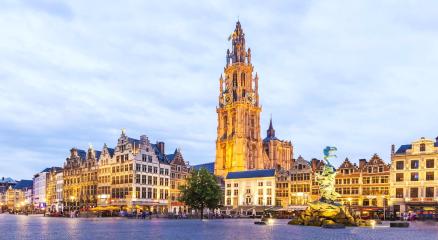
  • Drug trafficking, especially cocaine and synthetic drugs, primarily via major port cities like Rotterdam, Antwerp, and Barcelona.

  • Human trafficking for forced labor and sexual exploitation, particularly affecting vulnerable populations from Eastern Europe, Africa, and Asia.

  • The use of encryption and cryptocurrency to facilitate illegal transactions.

3. Terrorism & Extremism

While large-scale terrorist attacks in Europe have decreased, radicalization and extremist activities remain active, particularly in online spaces. Authorities in France, Belgium, and Germany continue to monitor both Islamist and far-right extremist groups.


The Legal Landscape: A Patchwork of National and EU Laws

Europe's legal systems vary significantly from country to country, reflecting their histories, cultures, and political structures. Yet under the umbrella of the European Union, efforts are ongoing to harmonize legal practices and foster cross-border cooperation.

1. Civil Law vs. Common Law

  • Most European countries follow civil law systems (e.g., France, Germany, Italy), where laws are codified in written statutes.

  • The United Kingdom and Ireland operate under common law, where judicial precedent plays a larger role.

Despite differences, all systems aim to uphold the rule of law, due process, and fundamental human rights, many of which are protected under the European Convention on Human Rights (ECHR).

2. Role of the European Court of Justice (ECJ)

As the highest court in the European Union, the ECJ ensures that EU laws are interpreted and applied uniformly across member states. Its jurisdiction includes:

  • Competition law

  • Digital privacy (GDPR enforcement)

  • Migration and asylum policies

  • Environmental regulation

The ECJ’s rulings are binding, even over national courts, which has occasionally led to tension with some national governments (e.g., Poland and Hungary).

3. European Court of Human Rights (ECHR)

Separate from the EU, the ECHR operates under the Council of Europe and oversees the protection of human rights across 46 countries. It plays a key role in cases involving:

  • Police brutality

  • Unlawful detention

  • Freedom of speech

  • Discrimination


Cross-Border Crime and Cooperation

Given the borderless Schengen Area, criminals can easily move between countries—making international cooperation essential.

Key Tools for Cooperation:

  • Europol: Europe's law enforcement agency, facilitating intelligence sharing across borders.

  • Eurojust: Coordinates judicial cooperation among national prosecutors.

  • European Arrest Warrant (EAW): Simplifies extradition between EU countries, reducing bureaucratic delays.

  • Prüm Convention: Allows DNA, fingerprint, and vehicle registration data sharing across member states.

These tools have helped in high-profile operations, including busts of international drug cartels, child exploitation networks, and terrorist cells.


Justice System Reforms and Modern Challenges

1. Digital Transformation of Justice

Across Europe, court systems are becoming more digitized:

  • Virtual court hearings were introduced widely during COVID-19 and continue in many countries.

  • E-evidence portals allow faster document sharing between prosecutors.

  • AI-based tools are being tested for case sorting and legal research (though with ethical concerns).

2. Prison Overcrowding

Countries like France, Italy, and Belgium still face prison overcrowding, leading to:

  • Poor living conditions

  • Limited rehabilitation opportunities

  • Delays in justice delivery

Reforms now focus on alternative sentencing, such as electronic monitoring, community service, and restorative justice.

3. Migration and Asylum Law

Migration remains a contentious legal and political issue in Europe. The EU’s New Pact on Migration and Asylum (adopted in 2024) aims to balance border protection with the responsibility of upholding refugee rights. Legal challenges continue over detention conditions and deportation procedures.


Case Studies by Region

Western Europe

  • Germany and the Netherlands have strong legal institutions and invest heavily in cybercrime units.

  • France is balancing counter-terrorism laws with freedom of expression, particularly after high-profile attacks.

Eastern Europe

  • Romania, Bulgaria, and Poland are still strengthening judicial independence amidst political pressure.

  • Cross-border financial crimes are more prevalent due to corruption and weak enforcement.

Nordic Countries

  • Known for high trust in police and judiciary.

  • Low crime rates but increasing concerns over online child abuse networks.


Conclusion: The Future of Crime and Law in Europe

Europe in 2025 faces a dual challenge: protecting its citizens from evolving threats while preserving democratic values and human rights. Crime is becoming more sophisticated, digital, and international, but so is law enforcement. Legal harmonization across Europe is progressing, but tensions remain between national sovereignty and EU authority, especially in areas like asylum policy and constitutional law. Yet the commitment to justice, fairness, and the rule of law remains central to European identity. As Europe moves forward, its ability to adapt, cooperate, and innovate legally will define its success in keeping crime under control while upholding the freedoms that define the continent.

Tags

#EuropeanLaw-#CrimeInEurope-#JusticeSystem-#EUCrimeTrends-#CriminalLaw-#LawReform-#LegalSystemsEurope
Popular post
Global Politics Update: Power Shifts, Conflicts & Democracy Under

Political landscapes around the world are in flux. New conflicts are emerging, democratic institutions are being tested, and global power dynamics are shifting rapidly. Here are some of the most significant political developments:   1.Gaza Conflict Escalation — Israel has launched a ground offensive in Gaza City, urging residents to evacuate amid intense hostilities. The humanitarian situation is worsening, with thousands displaced   2.Global Decline in Press Freedom — A report by the International IDEA finds that press freedom has seen a sharper fall in recent years than at any point in the last 50 years. Countries including Afghanistan, Myanmar and South Korea are among those with severe declines.       3.EU Sanctions & Regional Tensions — European leaders are calling for sanctions against Israel following airstrikes across the region, including Yemen. These acts have stirred diplomatic controversies and raised questions about regional stability     4.U.S. Domestic Politics & Polarization — In the U.S., political divisions remain deep. Controversies over civil rights, immigration, and institutional trust continue to fuel heated public debates. Observers worry this polarizing atmosphere may undermine democratic norms and governance effectiveness.       These events underscore a common theme: in many parts of the world, democracy, human rights, and freedom of expression are under pressure. Power is shifting — sometimes abruptly — and the world is watching closely to see how governments, international bodies, and citizens will respond.  

Study in Germany Without IELTS: A Complete Guide for International Students

Germany has become one of the most popular destinations for international students because of its world-class education system, tuition-free public universities, and excellent career opportunities. Many students, however, worry about English language requirements such as the IELTS exam. The good news is that it is possible to study in Germany without IELTS, as several universities and programs offer alternative options for proving language proficiency.   Why Germany? Germany is known for its high-quality education, research facilities, and affordable tuition. Most public universities in Germany charge little to no tuition fees, making it a top choice for students around the world. Additionally, the cost of living is relatively lower compared to other European countries, and students are allowed to work part-time while studying.   How Can You Study Without IELTS?   Many German universities are flexible with their English-language requirements. If you can demonstrate that you can study in English through other evidence, you may not need an IELTS score. Here are the main pathways: 1. Medium of Instruction (MOI) Certificate If you previously completed a degree or at least two consecutive years of education in English, you can request an official MOI certificate from your school, college, or university. This document states that English was the primary language of instruction for your coursework. Many German institutions accept this as proof of proficiency, especially for master’s programs.   2. Alternative English Tests German universities often accept a variety of other standardized tests. Examples include:   TOEFL iBT (Internet-based Test) – widely recognized around the world. PTE Academic – computer-based and quick to schedule. Duolingo English Test – convenient online option with fast results. Cambridge English Qualifications – such as C1 Advanced (CAE) or C2 Proficiency. These tests might have different minimum scores than IELTS, so always check the specific requirement of each university and course.   3. University or Department Interviews Some institutions conduct an online or in-person interview to gauge your speaking and comprehension skills. If you can hold a conversation and answer academic questions confidently, the university may waive the IELTS requirement.   4. Country-Based Exemptions Applicants from countries where English is the official or native language—such as the United States, Canada, the United Kingdom, Ireland, Australia, and New Zealand—are often exempt. Some universities also extend this to applicants from regions where English is the recognized medium of higher education.   Top Universities in Germany That Accept Students Without IELTS   Below are some respected universities known to consider applications without IELTS if other criteria are met:   University of Siegen – Public university offering multiple master’s programs in English. Students can use an MOI certificate or other recognized tests instead of IELTS. Technical University of Kaiserslautern (RPTU Kaiserslautern-Landau) – Renowned for engineering and natural sciences. Many English-taught postgraduate programs accept alternative proofs. Justus Liebig University Giessen – Known for life sciences and social sciences. Accepts medium of instruction certificates and other English exams. University of Kiel (Christian-Albrechts-Universität zu Kiel) – Offers postgraduate programs that may waive IELTS if prior education was in English. Free University of Berlin – Prestigious research university with several English-taught master’s degrees. MOI certificates and department interviews can substitute for IELTS. RWTH Aachen University (selected programs) – In certain technical fields, alternative tests or an MOI certificate may be sufficient. University of Freiburg (specific courses) – Some international master’s programs allow exemptions when other English-language evidence is strong.   Always verify with the admissions office of your chosen program, as policies differ between faculties and change over time.   Popular Courses to Study in Germany Without IELTS   Germany offers a vast selection of English-taught programs across disciplines. Particularly strong areas include:   Engineering: Mechanical, Electrical, Civil, Automotive, and Environmental Engineering are world-renowned. Computer Science & IT: Artificial Intelligence, Data Science, Cybersecurity, and Software Engineering are in high demand. Business Administration & Management: International Business, Finance, and Economics programs attract global students. Natural Sciences: Physics, Chemistry, Biology, and Environmental Sciences benefit from Germany’s strong research infrastructure. Social Sciences & Humanities: International Relations, Political Science, and Cultural Studies provide diverse perspectives. Health and Life Sciences: Biotechnology, Public Health, and Medical Engineering are growing fields.   Benefits of Studying Without IELTS in Germany   Choosing a program that doesn’t require IELTS offers several advantages:   1. Time and Cost Savings – Preparing for IELTS can be expensive and time-consuming. Skipping it frees resources for other parts of your application. 2. Flexible Entry Options – You can focus on your academic qualifications and professional achievements instead of standardized test scores. 3. Tuition-Free or Low-Cost Education – Many public universities charge little or no tuition fees for international students, keeping overall expenses manageable. 4. English-Taught Degrees – Hundreds of bachelor’s and master’s programs are offered entirely in English, allowing you to start immediately while you learn German gradually. 5. Work Opportunities – As a student, you can work part-time (up to 20 hours per week) and gain valuable professional experience. 6. High Employability – Germany’s strong economy and demand for skilled professionals make it easier to find work after graduation, whether you stay in Germany or move elsewhere in Europe. 7. Cultural and Language Growth – Living in Germany gives you the chance to pick up German naturally, which can boost your career prospects and personal development.    8. Final Thoughts Studying in Germany without IELTS is definitely possible if you prepare the right documents and choose universities with flexible requirements. International students should check each university’s admission guidelines carefully and make sure they meet all other academic requirements. With tuition-free education, a strong job market, and numerous opportunities, Germany remains one of the best destinations for higher education.

"How to Make the Perfect Iskender Kebab"

İskender Kebab: A Taste of Turkish Tradition 🇹🇷 When it comes to iconic Turkish dishes, İskender Kebab stands out as one of the most beloved and flavorful meals. Originating from the city of Bursa, this dish has become a symbol of Turkish culinary heritage, enjoyed by both locals and food lovers around the world. 🛒 Ingredients For the Meat 500 g lamb or beef (thinly sliced) 2 tbsp olive oil 2 tbsp yogurt 1 tsp garlic paste Salt to taste ½ tsp black pepper ½ tsp paprika or chili powder For the Tomato Sauce 1 cup tomato purée 2 tbsp butter ½ tsp salt ¼ tsp sugar Other 3–4 pita breads or flatbreads 1 cup yogurt 2 tbsp melted butter 🍳 Preparation Steps Marinate the Meat In a bowl, mix the sliced meat with yogurt, olive oil, garlic, salt, black pepper, and paprika. Let it marinate in the refrigerator for at least 2 hours (overnight is even better). Prepare the Tomato Sauce In a pan, melt the butter and add the tomato purée. Season with salt and sugar, and cook on medium heat for 8–10 minutes until it thickens. Cook the Meat Heat a pan and cook the marinated meat until golden brown and tender. Plating the İskender Kebab      Cut pita bread into pieces and place them on a serving plate.      Arrange the cooked meat on top.     Pour the tomato sauce generously over the meat.       Add a spoonful of yogurt on the side.                                                                                                                                                                                                                                                                                                                            Finally, drizzle hot melted butter over the dish for that signature İskender flavor.             ✨ Serving Tips Traditionally, İskender Kebab is served with grilled tomatoes and green peppers on the side. A sprinkle of paprika on top makes the dish even more appealing. İskender Kebab is more than just a meal—it’s a piece of Turkish history served on a plate. Its rich flavors, simple ingredients, and iconic presentation make it a timeless dish that continues to win hearts across the globe.

Unlocking Opportunities: A Comprehensive Guide to Studying in Hungary – Tuition Fees & Facilities for International Students

Study in Hungary: Details on Tuition, Facilities & Student Life (2025) Hungary has become a popular destination for international students seeking quality higher education at relatively affordable costs. With reputable universities, many English-taught programs, extensive facilities, and a central European location, it presents strong value. In this article, we explore what you need to know about tuition fees, student facilities, and living costs when studying in Hungary in 2025.   1. Tuition Fees: What You Should Expect Tuition fees in Hungary vary widely depending on several factors: Program type (Bachelor’s, Master’s, PhD) University (public vs. private) Subject area (medicine, engineering, arts etc.) Whether you are an EU vs non‑EU student   Here are some sample ranges: Level / Field Public Universities Private / Specialized Institutions / Medicine & Dentistry Bachelor’s (most programs) ≈ €1,500 – €6,000/year Study.eu+3Qogent Global+3Aspiredia+3 up to €8,000/year or more in private universities or competitive programs Study.eu+2Qogent Global+2 Master’s ≈ €2,000 – €8,000/year in public or mid‑range universities Aspiredia+2Qogent Global+2 higher for specialized, private or medical/dental fields, sometimes going over €12,000–€16,000/year a2z Edu Care+2Study.eu+2 Medicine / Dentistry / Veterinary Typically among the highest; €8,000 – €20,000+/year depending on the institution and language of instruction Qogent Global+2Media Top Study World+2     Some examples of specific universities: University of Pécs: Bachelor’s tuition around €5,500‑7,000, master’s around €6,000‑8,000. Career O'clock University of Debrecen: Comparable ranges depending on subject. Career O'clock Eötvös Loránd University (ELTE): More moderate fees in many programs, especially non‑medical. HunEducation+2Study.eu+2 Also keep in mind administrative fees: application fees (sometimes €150‑200), registration fees, occasionally deposits for housing etc. apply.budapestcollege.hu+1   2. Living Costs & Accommodation Tuition is only part of the picture. Your total cost will include accommodation, food, transport, health insurance, books, and other living expenses. These differ significantly between cities (Budapest tends to be most expensive) and depending on your lifestyle.   Here’s a breakdown: Accommodation: University‑dormitories often cost €150‑€300/month, sometimes more depending on amenities. Scholars Avenue+2HunEducation+2 Shared apartments or rooms in furnished flats: €200‑€500/month depending on city and location. rpeducation.net+2Scholars Avenue+2 Private studio or one‑bedroom flats: can go higher in cost, especially in Budapest. HunEducation+2Aspiredia+2 Food, Transport, Miscellaneous: Groceries: €100‑€250/month depending on how often you cook vs eat out. rpeducation.net+1 Public transport: €10‑€30/month for student passes in many cities. Scholars Avenue+1 Utilities & Internet: €50‑€120/month depending on housing type and location. Scholars Avenue Health insurance: mandatory for non‑EU students; cost varies but can be €50‑€100/year or per month depending on coverage. rpeducation.net+1 Total Living Costs per Year: In smaller university cities (e.g. Debrecen, Szeged, Pécs): €5,000‑€9,000/year including accommodation, food, transport etc. HunEducation+1 In Budapest: higher; could be €8,000‑€12,000/year depending on lifestyle. Qogent Global+1   3. Facilities & Academic Environment One reason Hungary is attractive is the quality of facilities and student‐friendly infrastructure. Here are some of amenities and support systems you can expect: Modern Campuses: Many universities have up‑to‑date lecture halls, labs, libraries, research centres, especially in disciplines like engineering, science, medicine. Dormitories & Student Housing: On‑campus dormitories are common; some have shared rooms, basic furnishing, common areas. Private student residences also increasingly available with amenities like WiFi, laundry, communal kitchens. Hungary News In English+2mknccglobal.ac.uk+2 International Student Services: Offices to assist with visa, language support, counselling, orientation programmes. Many universities offer English‑taught courses. Research Opportunities: PhD and master’s students often have opportunities for participating in research projects. Hungarian universities are involved in EU research funding and international cooperation. Transport & City Life: Good public transport in most cities, with student discounts. Cultural life, museums, cafes, festivals available. Budapest especially rich in arts and history. Health & Support Services: Health insurance schemes, clinics on campus or associated, student counselling, possibly mental health services.   4. Scholarships & Financial Aid To help with the cost, there are several scholarship and financial aid options: Stipendium Hungaricum: A popular government scholarship programme for international students which may cover tuition, accommodation, living costs. University‑level scholarships: Merit‑based, need‑based, or subject‑based scholarships. Some universities offer fee reductions, installment payments, or deferred payment in special cases. Always check specific university websites for deadlines, eligibility, and whether scholarships cover just tuition, or also accommodation, travel, etc.   5. Tips for Budgeting & Planning Choose city wisely: Cities outside Budapest tend to be cheaper. If your program is offered in Szeged, Debrecen or Pécs, life will be less expensive. Start early for housing: Dorm rooms fill quickly. Private residences often more expensive. Plan for non‑tuition costs: visa, insurance, books, materials, travel, leisure etc. Language matters: English‑taught programmes are common, but some courses or requirements still expect knowledge of Hungarian; also day‑to‑day life sometimes easier with some Hungarian. Check payment schedules: Whether tuition must be paid annually or per semester; whether you need to pay upfront before visa etc.   Conclusion Studying in Hungary offers a strong value proposition: reasonable tuition (particularly in public institutions), good facilities, and a European environment without the extremely high costs seen in Western Europe or North America. However, as with any international study plan, costs can add up depending on choice of program, city, housing, and lifestyle. If you are considering Hungary, evaluate the exact university and program, factor in all living costs, explore scholarship options seriously, and budget carefully. For many students, Hungary can hit the sweet spot of quality + affordability + enriching student experience.

Top 5 Hidden Travel Destinations You Must Visit in 2025

When it comes to travel, most people dream of visiting Paris, Dubai, or Bali. But in 2025, it’s time to explore the hidden gems of the world—destinations that are equally stunning but less crowded. Here are five breathtaking places you should add to your travel bucket list this year: 1. Matera, Italy Known as the “City of Stones,” Matera is one of the oldest continuously inhabited cities in the world. Its ancient cave dwellings and charming stone-carved architecture will transport you back in time. 2. Gjirokastër, Albania A UNESCO World Heritage Site, Gjirokastër is often called the “Stone City.” Nestled among mountains, it’s filled with Ottoman-era houses, cobbled streets, and a majestic castle overlooking the valley. 3. Phong Nha, Vietnam If you love nature and adventure, Phong Nha is paradise. Home to some of the world’s largest caves, underground rivers, and lush jungles, it’s perfect for explorers and nature lovers. 4. Chefchaouen, Morocco Famous for its blue-painted streets and magical mountain views, Chefchaouen is a peaceful getaway. It’s a photographer’s dream and an ideal spot for those seeking tranquility. 5. Sylhet, Bangladesh Lush green tea gardens, rolling hills, and crystal-clear rivers make Sylhet a breathtaking destination. From Jaflong to Ratargul Swamp Forest, this region is full of natural wonders waiting to be explored. ✨ Whether you’re a history buff, an adventure seeker, or someone looking for peace, these destinations will give you an unforgettable travel experience in 2025.

Legal Reforms and Crime Trends
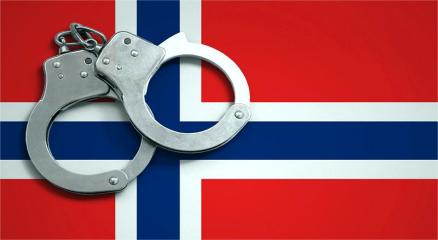
Norway's Crime Landscape: A Deep Dive into Crime Rates and Legal Framework

Introduction Norway, renowned for its high standard of living and robust legal system, continues to grapple with evolving crime dynamics. This article delves into the latest crime statistics, examines the effectiveness of the Norwegian Penal Code, and highlights recent legislative reforms shaping the nation's approach to crime prevention.   Crime Statistics: A Snapshot of 2024 In 2024, Norway reported a total of 341,509 offences, marking a 7.7% increase from the previous year. This uptick brings the figures back to the 2018 levels, with a significant portion attributed to increased reporting by businesses SSB. Breakdown of Reported Offences Property Theft: 116,986 cases Other Offences for Profit: 36,775 cases Criminal Damage: 21,926 cases Violence and Maltreatment: 45,438 cases Sexual Offences: 7,221 cases Drug and Alcohol Offences: 30,628 cases Public Order and Integrity Violations: 33,600 cases Traffic Offences: 43,973 cases Other Offences: 4,962 cases These statistics underscore the multifaceted nature of crime in Norway, necessitating a nuanced approach to law enforcement and prevention strategies.   The Norwegian Penal Code: A Pillar of Justice The Norwegian Penal Code, enacted in 1902 and revised in 2005, serves as the cornerstone of the nation's criminal justice system. It delineates various criminal acts, penalties, and procedures, ensuring a structured approach to justice. Key Features of the Penal Code General Provisions: Outlines the scope of criminal law and principles of justice. Criminal Acts: Categorizes offences ranging from theft to serious violent crimes. Penalties: Specifies punishments, including fines, imprisonment, and rehabilitation measures. Procedures: Details the processes for investigation, prosecution, and adjudication of crimes UNODC. The 2005 revision introduced significant changes, including the removal of outdated laws such as the blasphemy statute, reflecting Norway's commitment to modernizing its legal framework Wikipedia.   Recent Legislative Reforms Norway's legal system is characterized by its adaptability and responsiveness to emerging challenges. Recent legislative reforms have focused on addressing contemporary issues such as hate speech, organized crime, and the rights of marginalized communities.   Hate Speech Legislation In a landmark move, Norway expanded its hate speech laws to include protections for transgender and bisexual individuals. This amendment allows for offenders to face up to three years in prison for public statements likely to reach a wide audience, marking a significant step in safeguarding the rights of LGBTQ+ individuals Them.   Combating Organized Crime The Norwegian Supreme Court recently banned the local chapter of the Dutch motorcycle club Satudarah, labeling it a criminal association. The court cited repeated serious offences committed by club members, including violations against individuals' life, health, and freedom, as well as actions causing public fear AP News.   Addressing Drug Trafficking Oslo has emerged as a significant entry point for drug smuggling into Europe, with criminal networks increasingly targeting the city's port. In response, Norwegian authorities are enhancing customs infrastructure and security measures to combat this growing threat The Guardian.   Challenges and Future Directions Despite the robust legal framework, Norway faces challenges in addressing certain crime trends. The rise in reported offences, particularly in areas like drug-related crimes and organized criminal activities, indicates the need for continuous adaptation of laws and enforcement strategies. Future legislative efforts may focus on: Cybercrime: Developing laws to address the increasing prevalence of online offences. Rehabilitation: Enhancing programs aimed at reintegrating offenders into society. Community Policing: Strengthening community engagement to prevent crime at the grassroots level.   Conclusion Norway's approach to crime and justice reflects a balance between maintaining public safety and upholding individual rights. Through continuous legal reforms and a commitment to justice, Norway strives to adapt to the evolving landscape of crime, ensuring a secure and equitable society for all its citizens.

Emdadul Rasel October 5, 2025 0
Sweden’s Crime  and Laws Against Crime

Sweden’s Crime Rate and Strong Legal Measures Against Crime

Understanding Crime and Legal Systems in the Island

Island’s Crime Rate and Laws: A Deep Dive into Safety and Justice

Safety, Justice, and Social Order

Germany’s Crime and Law System: Safety, Justice, and Social Order

Understanding Why Gold’s Value Changes Over Time
Gold Price Fluctuations – Understanding Why Gold’s Value Changes Over Time

Gold Price Fluctuations – Understanding Why Gold’s Value Changes Over Time Gold has been one of the most valuable and trusted assets in human history. From ancient civilizations using it for trade to modern economies relying on it as a safe investment, gold continues to symbolize wealth, security, and stability. However, one question arises repeatedly: Why does the price of gold keep changing? The answer lies in a combination of economic, political, and social factors. Gold prices do not move randomly; they are influenced by global events, market psychology, and fundamental supply-demand dynamics. Understanding these reasons helps both investors and ordinary people recognize how gold remains a crucial part of the financial system.   Gold as a Precious Metal and Investment Gold is unique because it is both a commodity and a financial asset. Unlike oil or wheat, it does not get consumed in large quantities. Its primary uses are in jewelry, investment (coins, bars, exchange-traded funds), technology, and central bank reserves. Because of this, gold holds a dual role: A commodity influenced by supply and demand. A safe-haven investment influenced by economic uncertainty. This dual nature is why gold prices often rise during crises and sometimes fall when global markets are stable.   Key Factors That Influence Gold Prices 1. Global Economic Conditions When economies face instability—such as recessions, slow growth, or financial crises—investors flock to gold for security. Demand rises, leading to higher prices. Conversely, when economies are strong, stock markets perform well, and inflation is under control, gold demand often weakens. 2. Inflation and Currency Value Gold is considered a natural hedge against inflation. When the purchasing power of money decreases, people turn to gold to preserve value. Similarly, when the US dollar weakens, gold prices usually rise. Since gold is priced globally in dollars, a weaker dollar makes gold cheaper for other countries, boosting demand. 3. Interest Rates Interest rates directly influence gold’s appeal. When interest rates are low, investors earn little from savings or bonds, so they prefer gold. When rates rise, other investments become more attractive, often pushing gold prices lower. 4. Central Bank Policies Central banks, especially the US Federal Reserve, the European Central Bank, and the Reserve Bank of India, play a huge role in shaping gold prices. Their monetary policies, currency interventions, and gold reserve strategies often impact the market. If central banks buy more gold, prices rise; if they sell, prices may fall. 5. Geopolitical Tensions Wars, political instability, or global conflicts often create uncertainty in financial markets. During such times, gold shines as a safe-haven asset. For example, during the Russia-Ukraine conflict and Middle East tensions, gold prices surged due to rising investor fear. 6. Supply and Mining Costs Gold supply is relatively stable, but new mining projects, production costs, and discoveries influence long-term prices. If mining becomes expensive due to labor or energy costs, gold prices tend to rise. 7. Demand for Jewelry and Technology In countries like India and China, gold jewelry is deeply rooted in cultural traditions. Seasonal demand during weddings or festivals can push prices higher. Similarly, gold’s use in technology and medical devices also contributes to its value. 8. Global Market Speculation Investor psychology and speculation play a significant role. Large institutional investors, hedge funds, and commodity traders often buy or sell gold in bulk, creating price swings in the short term.   Why Gold Is Seen as a Safe Haven One of the main reasons gold prices fluctuate is its role as a safe-haven investment. When people lose confidence in financial systems or currencies, they turn to gold. Unlike stocks or paper money, gold has intrinsic value, making it a store of wealth for centuries. For example: During the 2008 global financial crisis, gold prices surged as investors sought protection. During the COVID-19 pandemic, gold reached record highs, proving its role as a security asset.   Short-Term vs Long-Term Price Movements Short-Term Changes: These are usually caused by market speculation, political news, or sudden demand shifts. For instance, a central bank announcement can immediately raise or lower prices. Long-Term Trends: These are shaped by global inflation, economic growth, and long-term supply-demand balance. Historically, gold has always appreciated over time, even with short-term declines.   Gold Prices in Emerging Markets Countries like India, China, and Bangladesh have a unique relationship with gold. For many families, gold is not just an investment but also a cultural tradition and symbol of wealth. Festivals, weddings, and religious events create seasonal demand that affects prices globally. Additionally, in emerging markets, gold often serves as protection against unstable currencies or inflation, making it a popular investment option.   Challenges in Predicting Gold Prices Predicting gold prices is difficult because multiple unpredictable factors influence them. Sudden events like natural disasters, unexpected government policies, or stock market crashes can create rapid price changes. While analysts use data and trends, no one can fully control or foresee gold’s movements.   Conclusion The price of gold is never static—it constantly moves, reflecting the balance of global forces. Economic conditions, inflation, interest rates, central bank decisions, political instability, and cultural demand all play their part in shaping gold’s value. For individuals, understanding these factors is crucial when considering gold as an investment. While gold may not provide quick profits like stocks, it offers stability, security, and long-term wealth preservation. In the end, gold remains more than just a metal. It is a reflection of human trust, history, and resilience—one that continues to shine brightly through every era of change.

Emdadul Rasel September 30, 2025 0
The Legacy of Nobel Laureate Dr. Muhammad Yunus

The Legacy of Nobel Laureate Dr. Muhammad Yunus: A Visionary of Microfinance and Social Change

Crime and Law in Switzerland

Crime and Law in Switzerland: A Nation of Justice, Order, and Safety

Navigating Justice in a Changing Continent

Crime and Law in Europe: Navigating Justice in a Changing Continent

"Financial scams in – cryptocurrency fraud, phishing, romance scams, and online fraud"
Rising Financial Scams:How Digital Fraud Is Challenging Global Law Enforcement

  🔎 Introduction    The digital economy has opened doors to convenience and growth, but it has also unlocked new avenues for criminals. Financial scams are no longer limited to email phishing or fake lotteries; they have evolved into AI-driven, globally connected networks. With the rise of cryptocurrency, online banking, remote jobs, and social media, fraudsters are exploiting human trust and weak regulations. Financial scams now cost the global economy over $6 trillion annually, according to cybersecurity experts. These crimes are affecting individuals, businesses, and even governments, leaving law enforcement scrambling to keep up.   🚨 Major Types of Financial Scams    1. Cryptocurrency Frauds Cryptocurrency continues to attract investors, but it’s also the biggest playground for scammers: Pump-and-Dump Schemes: Criminals artificially inflate crypto prices and vanish after selling their holdings. Rug Pulls in DeFi Projects: Developers create tokens, gain trust, then disappear with investors’ money. Exchange Hacks: Billions have been stolen from crypto exchanges through cyberattacks. 💡 Case Study: a fake DeFi project called “GreenCoin” promised eco-friendly crypto mining. Within two months, it collected $200 million before disappearing overnight.   2. Phishing & Identity Theft Scammers now use AI-generated content to mimic banks, companies, and even family members. Voice Deepfakes: Criminals clone voices to trick people into transferring money. Fake Banking Apps: Cloned apps on app stores steal logins and passwords. Biometric Data Theft: Hackers steal fingerprint and facial data from compromised devices. 💡 Example: In the UK, a businessman lost £250,000 when a scammer used a deepfake CEO voice to instruct his staff to transfer funds.   3. Online Loan & Job Scams Instant loan apps lure users with quick approval but trap them in high-interest debt. Fake jobs on freelance platforms demand “security deposits” before disappearing. Remote job seekers fall victim to “training fee scams.” 💡 Fact: According to Europol, more than 45% of online job postings in 2025 are linked to fraudulent schemes.   4. Romance & Social Media Scams Fraudsters prey on emotions by creating fake identities. Victims are tricked into sending money for emergencies, travel, or investments. AI chatbots now run 24/7, maintaining multiple fake relationships. 💡 Example: A 62-year-old woman in the U.S. lost $3.2 million to an online romance scam involving a fake “retired army general.”   5. Corporate Fraud & Money Laundering Not only individuals—businesses are victims too. Fraudulent invoices cost global companies billions annually. Criminals use shell companies, offshore accounts, and crypto mixers to launder money. Even charities have been exploited to move illicit funds. 💡 Report: The IMF states that $1.6 trillion in laundered money flows through digital channels yearly.   🌍 Countries Most Affected by Scams in 2025    1.United States – Highest number of victims due to wide digital adoption.  2.India – Call-center scams and fake loan apps remain rampant.  3.Nigeria – Online romance and investment scams dominate.  4.United Kingdom – Deepfake corporate scams are rising fast.  5.China – Large-scale crypto fraud and counterfeit apps.   ⚖️ Law Enforcement & Legal Responses   AI-Powered Monitoring: Banks deploy AI tools that analyze suspicious behavior in seconds. Crypto Regulations: Countries are passing laws to force crypto exchanges to verify users (KYC/AML). Cross-Border Cooperation: Interpol’s Cyber Fraud Taskforce links over 70 countries for scam investigations. Public Education Campaigns: Governments push “Think Before You Click” campaigns worldwide. However, the challenge is jurisdiction—criminals in one country scam victims in another, making prosecution slow and complex.   📌 Expert Opinions   Cybersecurity Analyst, John Matthews: “Fraudsters are not only tech experts, but also psychological manipulators. Awareness is the first line of defense.” Interpol Cybercrime Unit: “Scams are no longer isolated crimes—they are part of organized transnational syndicates.”   ✅ Final Thoughts   Financial scams highlight a dangerous paradox: the more advanced technology becomes, the easier it is for criminals to manipulate it. While AI-driven fraud detection and global cooperation provide hope, individuals must also stay cautious. Protecting yourself means: Verifying digital transactions, Avoiding too-good-to-be-true offers, Double-checking sources before investing. 👉 The future of financial security depends not only on laws and technology but also on how informed and alert people remain.

munira September 25, 2025 0
"World political leaders discussing global challenges at UN Summit"

Global Politics Update:Power Shifts, Challenges, and New Alliances

Understanding the United Nations

The United Nations: Roles, Purpose, and Why It Was Established

People doing popular viral fitness challenges trending on social media

Top Viral Fitness Challenges on TikTok and Instagram

0 Comments